Accelerating the development of life-changing treatments for ARID1B-RD


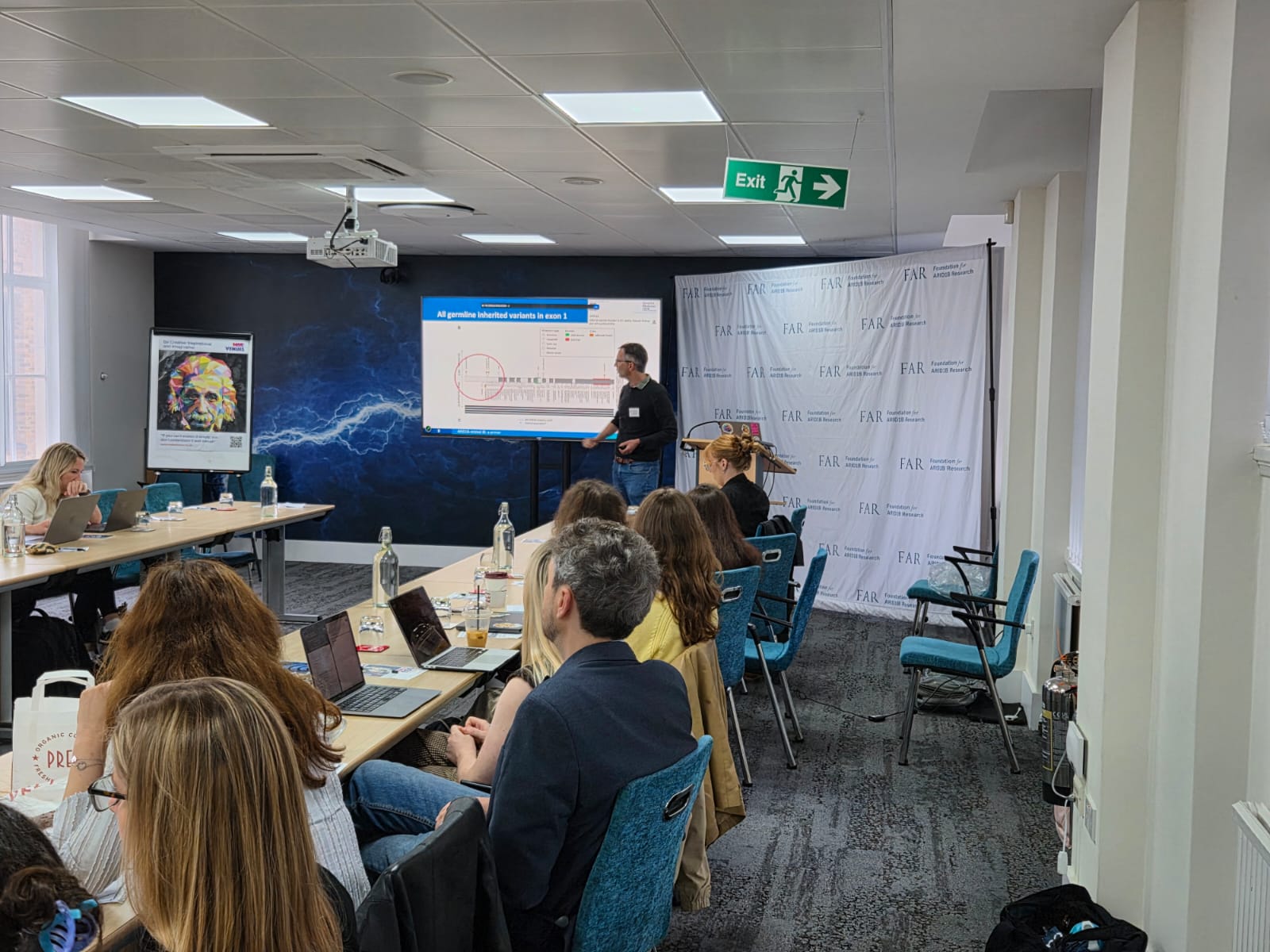
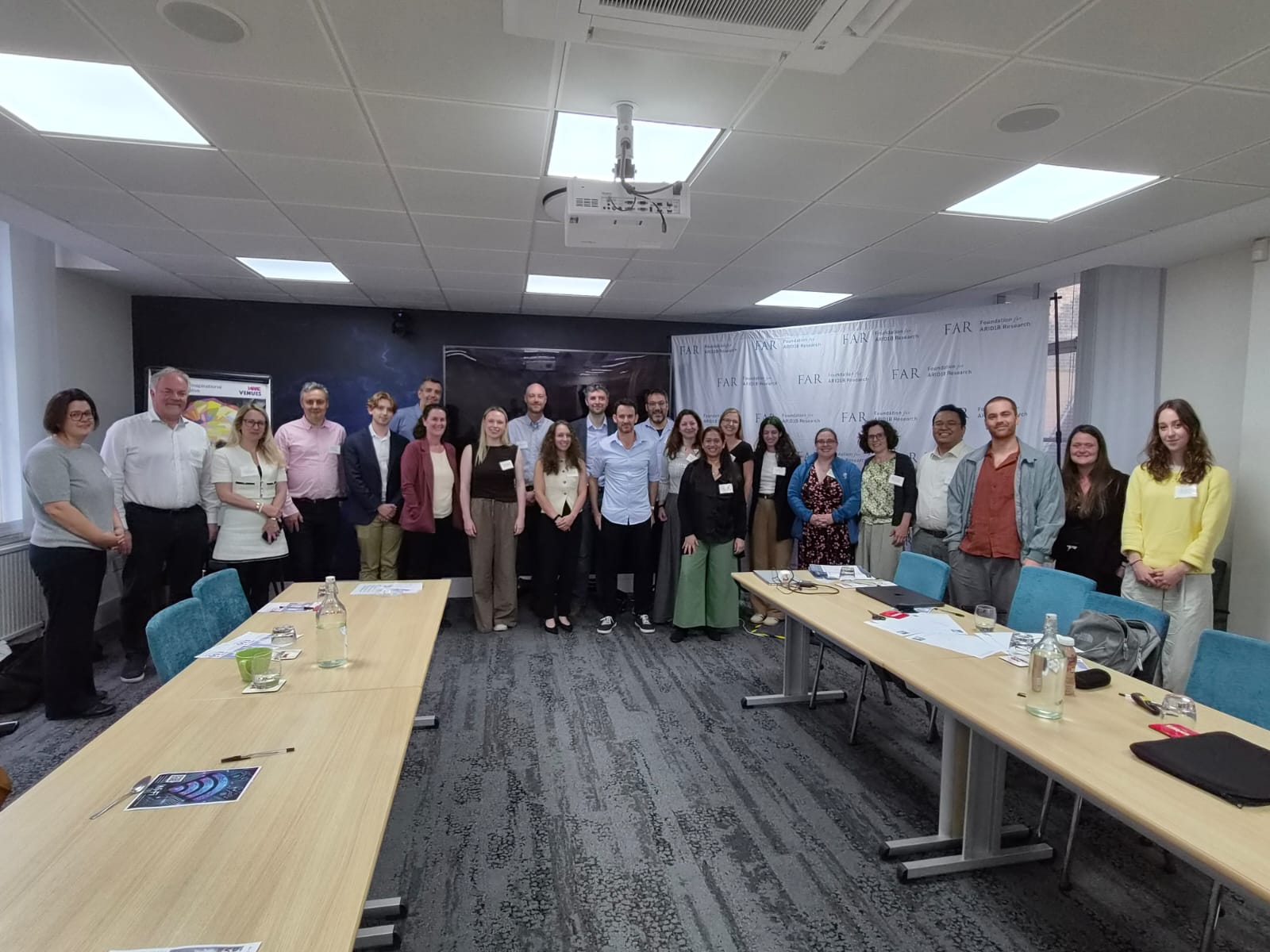
In the Beginning of June 2026, the Foundation for ARID1B Research brought together researchers,clinicians, industry leaders, and advocates in London for a milestone meetingfocused on moving ARID1B research closer to therapeutic development.
The meetingcombined scientific presentations, topic-specific discussions, and smallerworking sessions aimed at strengthening collaborations, aligning priorities,and defining concrete next steps.
What stoodout was the emergence of a clearer translational arc for ARID1B-relateddisorder — from understanding disease biology, to building human models, totesting therapeutic approaches, to preparing for future clinical studies.
Understanding ARID1B biology
New work highlighted protein destabilisation as an important mechanismcontributing to ARID1B loss-of-function, with implications for variantinterpretation. Multi-omic studies across BAF/SWI-SNF-related disorders alsopointed to shared biological pathways that may inform future biomarker andtherapeutic development.
Building disease-relevant models
Several groups presented work using patient-derived and engineered cellularmodels, including cortical organoids and iPSC-derived neuronal cultures. Thesesystems are beginning to provide functional readouts of ARID1Bhaploinsufficiency and platforms for cross-lab validation and therapeutictesting.
Testing therapeutic approaches
Early work was presented on RNA-based approaches designed to increase ARID1Bexpression, as well as Epigenome editing-based strategies aimed atupregulating the healthy ARID1B copy
Moving toward in vivo validation
Preliminary data from an AAV-delivered Epigenome editing-approach in anARID1B haploinsufficient mouse model showed evidence of target engagement,including increased ARID1B protein levels, alongside encouraging effects ondisease-relevant behavioural measures. This approach require furtherinvestigations, but represent an important step in testing therapeutichypotheses in vivo.
Preparing for clinical studies
Discussions also focused on natural history data, clinically meaningfulendpoints, patient registries, and shared ARID1B cell lines. These resourceswill be essential for reproducibility, therapeutic screening, cohortcharacterization, and future interventional studies.
Key nextsteps include:
→ Advancingtherapeutic testing across mouse, organoid, and patient-derived systems
→ Evaluating ASO and Epigenome editing approaches in relevant models
→ Building shared ARID1B research infrastructure
→ Expanding the FAR Patient Registry and natural history efforts
→ Strengthening academic, industry, clinical, and patient-community collaborations
→ Fundraising around defined translational milestones
Thank you to everyone who contributed to themeeting and to the broader effort to move ARID1B research forward.